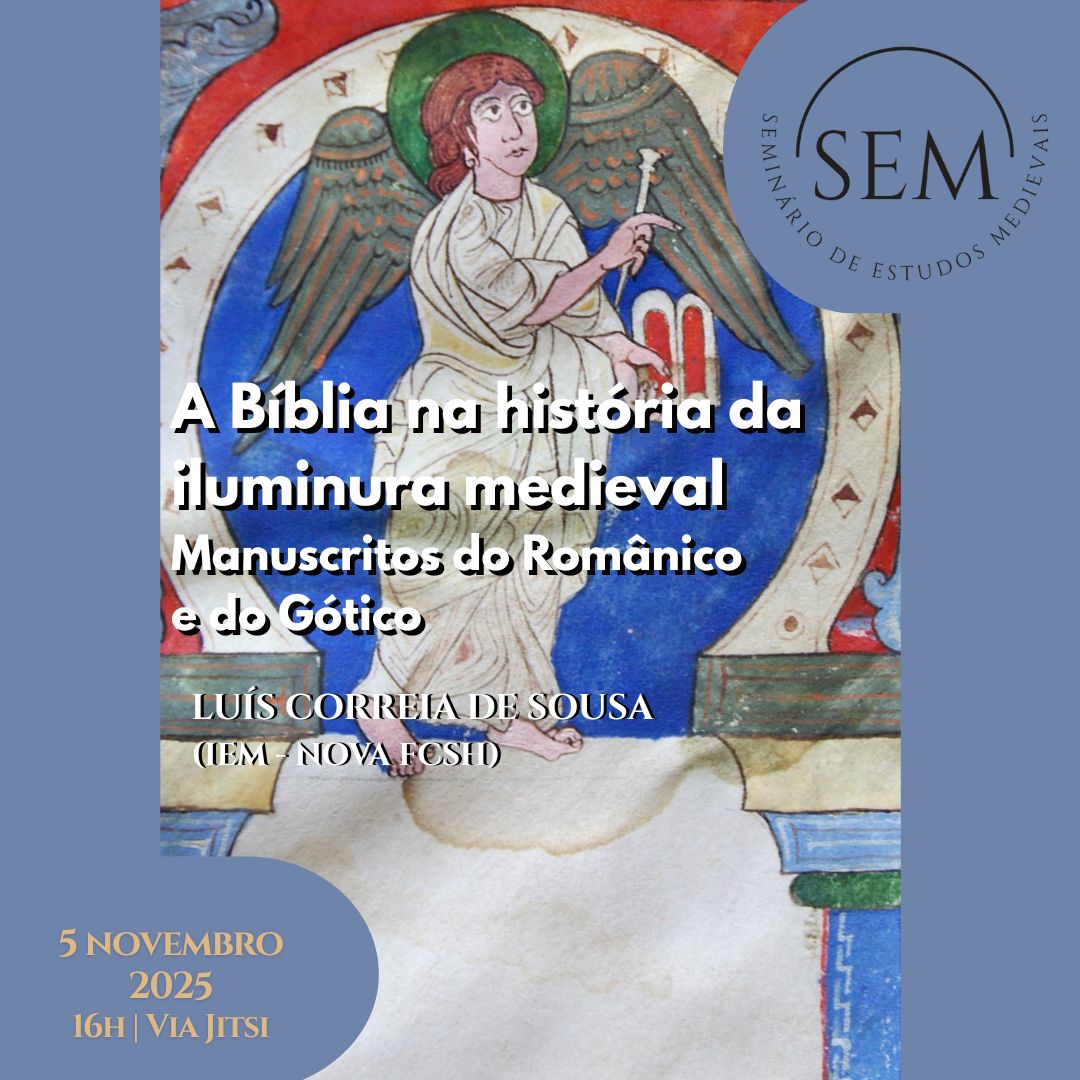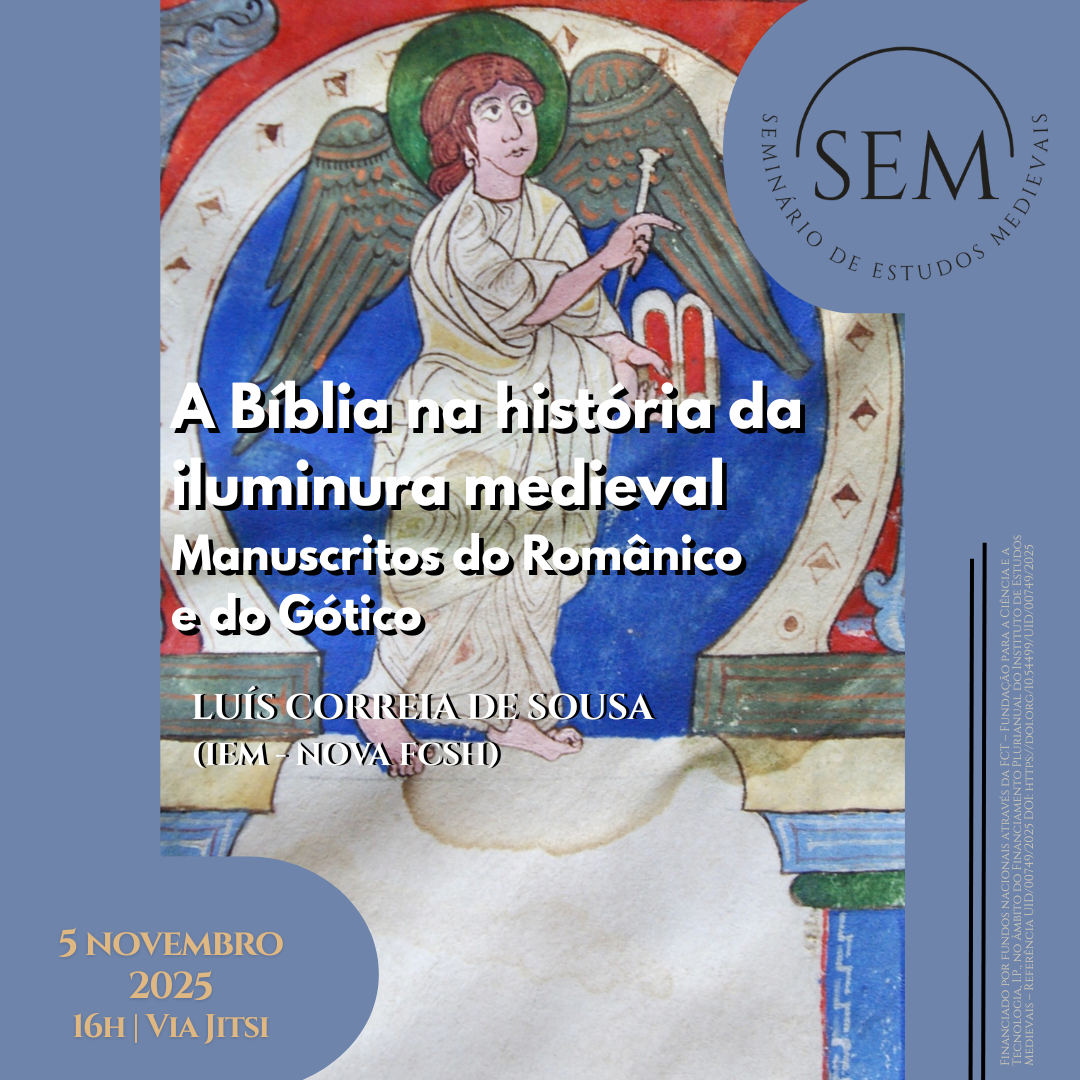
The Bible in the History of Medieval Illumination – Romanesque and Gothic Manuscripts
Abstract
Throughout its long history, the Bible was carefully recorded on supports such as papyrus, parchment, metal plates, and others, and was continuously studied, corrected, and refined. During the Middle Ages, it was the most copied and widely disseminated work, and as the word of God, it became an object of exaltation, magnified through richly illuminated copies adorned with striking and sumptuous images, created using the most opulent materials of the time, such as gold, silver, and lapis lazuli. In medieval Europe, the period roughly spanning the 11th century to the first quarter of the 13th century—later known as the Romanesque—witnessed a remarkable cultural renewal, marked by a significant increase in the production of illuminated manuscripts. The 13th century that followed was filled with innovations in the history of culture as a whole and represented a very particular moment in the history of the Sacra Pagina. What we propose with this brief presentation is a concise overview of the history of the Sacra Bibliotheca as an artistic object and within the context of medieval illumination.
About the Speaker
Luís Correia de Sousa holds a PhD and an MA in Art History – Medieval, and a BA in Musicology from the Faculty of Social and Human Sciences of NOVA University Lisbon. He is a researcher at the Institute for Medieval Studies (IEM) and has developed work in the field of medieval iconography, particularly musical iconography, being a founding member of the Study Group for Musical Iconography of the International Musicological Society, established in June 2006. In recent years, his research has focused mainly on medieval illumination, having completed a postdoctoral project centered on the study of 13th-century portable Bibles. More recently, together with Adelaide Miranda and Xavier van Binebekke, he completed the catalogue of Romanesque Bibles preserved in Portuguese collections, to be published by the National Library of Portugal (BNP) in 2026.